

Benefits of a Bedside Baby Sleeper
A crib-side baby sleeper lets you to keep your baby close by at night, for feeding, comforting and bonding. It also removes the necessity of getting out of bed for these purposes.
Some bedsides come with drop-down sides that allow easier access to your baby. Additionally, some angle slightly toward your bed. These features can be beneficial for colic, reflux and other digestive issues.
Co-sleeper
The majority of doctors recommend against sharing the bed with a newborn because of the possibility of it being suffocated. Many parents sleep with their newborns, for a variety of reasons. One of the most popular methods is by using a co-sleeper that is attached to the sides of a bed for adults. This lets parents easily reach their babies and gives them the opportunity to spend time with them at night.
A great co-sleeper should be made of breathable materials and a mattress that is easy to clean. It should also fit securely to the frame of your bed. If you own a queen-sized bed, look for a co-sleeper that can adjust to the height of your mattress. This will allow your baby to sleep in a secure and comfortable space. It also stops the mattress being too firm. It should also come with an integrated safety harness to prevent your baby from falling out of the crib.
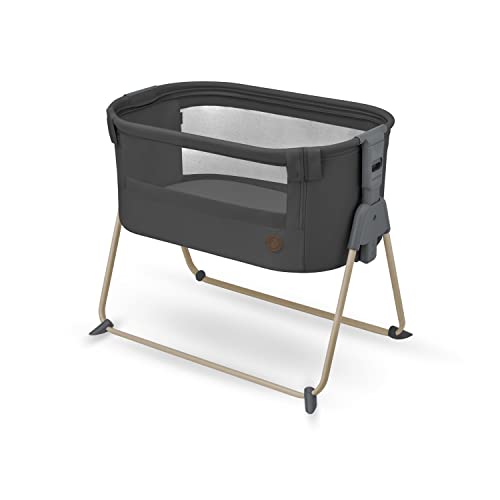
Co-sleepers come in a variety of sizes and styles as well as bassinets with a portable design that can be used wherever in the house. Some of these beds include a swaddled baby and can respond to the baby's cry by soothing sounds and movements. Unlike cribs, co-sleepers are designed to be mobile and easy to move around. This allows you to feed your baby or change his diaper without getting out of bed.
Co-sleeping can have some risks however it is an excellent way for parents and children to develop a strong relationship. While most doctors recommend against it, it's safe if done properly. This is true especially if you decide to use a bed that is attached to the mattress of your parent or a bassinet next to the bed.
A co-sleeper will help your child feel secure and secure, which is crucial to ensure healthy development. It can help ease breastfeeding. Breastfeeding is a crucial component of a child's nutrition. It can also improve your sleep and decrease stress.
If you're not sure if co-sleeping is the right choice for your family, consider talking to your doctor. They'll be able to provide you with the best advice on the safety of your child's sleep space. They can also recommend an appropriate bassinet or crib that is suitable for your child's requirements.
Regular bassinet
A normal bassinet is a separate sleeping area for newborns, unlike a co-sleeper, which is attached to the bed of a parent. Its small footprint makes it easy to transfer a newborn to and from a parent's bed without disturbing the sleep. The most effective bassinets have well-thought-out design, with adjustable legs that fit different bed sizes and a convenient drop-down side for baby retrieval. These features are particularly helpful for postpartum mothers who are recovering.
A great bassinet can help your baby develop healthy sleep habits. It can assist in the transition from a stroller or crib to a regular crib more comfortable as the transition can be challenging for some babies. The best bassinets should include a comfortable mattress and be designed to adapt to the needs of your baby. It should also be made of materials that are hypoallergenic and machine-washable to make cleaning easy. Certain bassinets have smart features, such as an automated rocking motion to help your baby sleep better. Snoo is a good example, which can adjust the white noise and movement to respond to the baby's crying. This will help your baby relax instead of having to rock them back to sleep after you put them in their bed.
A bassinet's portability is another benefit. It is light enough for you to move it from room to room for convenience, and some models even let you swivel it over your bed to easily reach your baby during nighttime diaper changes or nursing. Some of the best models also have storage space for baby's clothes and blankets.
The American Academy of Pediatrics continues its recommendation against any form of bed-sharing for infants. This is despite the fact that numerous companies market their in-bed sleepers to be safer than cosleepers or cribs. Additionally, in-bed sleepers are not subject to the same CPSC safety standards as bassinets and cribs.
A bedside crib allows you to keep your child close to you throughout the night while providing a secure, safe environment. It's ideal for new parents who want to maintain an unbroken sleep schedule while also forming bonds with their child.
Bedside bassinet
A bedside bassinet can be a compact sleeping arrangement that can be placed close to the bed of a parent. It is easy to reach the baby during the time of night to feed and comfort. The baby is safe and comfortable in a secure space, which helps reduce the risk of Sudden Infant Death Syndrome (SIDS). Bassinets that are placed in bed have mattresses that are firm and comfortable and are designed to keep a baby's head elevated to minimize the risk of suffocation. They are also usually equipped with soft fabrics and removable, machine-washable bedding.
Some bassinets have an ability to rock or vibrate that can help soothe babies into sleep. A swiveling base is another beneficial feature for parents who are looking to save on space. Certain models can be moved around the house therefore they can be used anywhere. However, you should always make sure that the bassinet is secured to the bed of the parent before using it to hold a newborn.
The best bassinets for bed are lightweight and easily portable. They should be strong enough to withstand the rough handling of a parent who is wandering around in the dark trying to change the diaper or feed their infant late at night. Additionally, they should be simple to fold and small enough to fit in the closet when not when not in use.
Some bassinets on the bed can be tucked under the bed of the parent, thereby making space and bringing the infant closer to the parents. While this is an appealing option, there are two important points to be aware of before settling on this type of model:
First, it's essential to ensure that the bassinet will fit under a bed that is at least 4.5 inches high. Furthermore, some models have legs that may stick out of the bed and be difficult to maneuver for clumsy adults.
Some companies offer bassinets that can be put in the corner of the parent's bed, creating a co-sleeping space. While these models offer a safe way to share a bed with an infant but the AAP remains adamant about all forms of bed-sharing. The company that makes the renowned Arm's Reach Co-Sleeper offers the same product, called a Bedside Bassinet, which is an ideal option for parents who would like to sleep closer to their baby without putting them in the adult bed.
In-bed sleeper
Consider a bedside sleeper if you want to sleep in a safe environment with your infant. These devices are designed to attach securely next to an adult bed that allows you to quickly access your baby during nighttime feedings and diaper changes. This kind of sleeper lets you connect with your child throughout the night, and provides them with a the feeling of security.
The AAP suggests that infants sleep in separate sleeping areas. The Besrey Bedside Sleeper supports this recommendation by providing a cozy place for your infant to rest.
My Web Page are similar to bassinets, however, one side is higher. This allows parents to reach their child from their bed without disrupting them. Some models have a short barrier that prevents children from falling between two sleeping areas, which could lead to strangulation or the suffocation.
Besrey's bedside sleeping device can be used safely by newborns if it is used correctly. It is crucial to adhere to all manufacturer instructions and avoid placing pillows or bedding near the area in which your child sleeps. It is recommended that infants who are swaddled are removed from their sleepers and placed in a crib or bassinet instead of the mattress of a parent to avoid positional asphyxia.
When choosing a bedside sleeper make sure you choose one that is light and can fold for travel. It should also have a compact design and easy-to-clean fabrics. Some have added features like vibrating and rocking to help soothe newborns to sleep.
Some sleepers can be used for other purposes, such as converting into a play area or a deeper bassinet. To make life easier, pick a model that has a removable and machine-washable cover. Also, you should look for a sturdy frame and swivel casters that ensure easy maneuverability.
In the United States, you should label any bedside sleeper that you purchase with specific information. This includes the model, manufacturer, and CPSC identification. All sleepers must be compliant with the most recent safety standards. If you have any questions about the product, you should contact the manufacturer or CPSC for more information.